Tuesday, June 06, 2006

Make your own....

Fever

if you're out of paracetamol and you or one of the family has a fever to bring down, try the following before resorting to calling the doctor.Sponge the patient with tepid water, briskly wiping each area of the body as sponged. This will cool the body while also increasing circulation. Make up an apple water drink in order to bring the fever down further. Slice three washed but unpeeled apples and simmer them in a little water until they're soft. Strain the water and add a washed piece of lemon, which will improve the flavour. Serve the drink cold. High temperatures in children are often caused by colds and infections. Before panicking, use your gut feeling to assess wheather your child is her normal self or not. A high temperature when it's combined with floppiness, lack of interest in food or drink, an unusual cry or sensitivity to light are reasons to call your doctor.

Cystitis

Although over the counter remedies exist for cystitis, these are a relatively recent invention, and it's easy to make your own at home with water and a teaspoonful of bicarbonate of soda to every point. You should aim to drink several pints every hour from the moment symptoms start.

Thursday, June 01, 2006

Eat Your Way To Health

Cold and flu -a strong immune system is the key to fighting off virual infections. A diet which contains plenty of fruit and veg, including lots of garlic and onions, is the best way to boost it and fight infection.

Constipation -increase your fibre intake by eating wholegrain cereals such as brown rice, wholemeal pasta, wholemeal bread and high-fibre breakfast cereals; drink atleast 8 glasses of fluid a day. Also eat prunes, they contain a substance which stimulates the muscles in the bowel and acts as a gentle laxative. (if you really can't face eating prunes, try drinking prne juice instead.)

Cystitis - cranberries and cranberry juice contain a natural antibiotic that prevents the bacteria from sticking to the walls of the bladder. To prevent cystitis, drink a glass of cranberry juice every day. To treat it, drink 350-500ml a day. Drin plenty of water, too but avoid tea, coffee and alcohol.

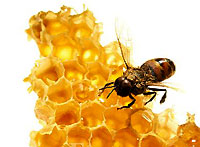
Gastric ulcers - a dessert-spoon of manuka honey afer each meal and another at bedtime can help heal stomach ulcers and kill the H.pylori bacteria that cause them.
Headaches and migrainecan be caused by low blood sugar, so eat little and often and try not to skip meals. Cheese, chocolate, citru fruits, caffeine and red wine can trigger attacks in migraine sufferers.

Mouth ulcers - often a sign that you're run down. Try eating natural yogurt, which is high in the acidophilus bacteria. Keep it in your mouth for couple of minutes before swallowing. The bacteria in the yogurt will help the ulcer heal.

Nausea - try sucking a piece of crystallised ginger or drinking ginger ale, or make ginger tea: grate a 1.3cm (half inch) piece of fresh root ginger into a mug of boiling water. Stand the tea for about 10 minutes before straining and drinking.

Psoriasis - eat more oil-rich fish. They're rich in Omega 3 fatty acids, which can have an anti-inflammatory effect. Aim to eat atleat 3 serving a week.

Thrush - Caused by an excess growth of the yeast candida albicans. Eating live yogurt can help by encouraging friendly bacteria to flourish. Avoid sugar, which encourages the growth of candida.

Drink up your greens!
Green tea is a rich source of flavonoids which help protect the body against the damaging effects of free radicals linked with heat disease, cancer and Alzheimer's disease.

Sunday, May 28, 2006

Get The Best...

To get the maximum nutritional content from all the fruit and veg you eat, you'd need to pick them from an organic plot and eat within a few hours. That's pretty unlikely, so what's next best thing?

Fresh foods... you'd think fresh was always the best option, but only harvested veg is eaten within a day or two. In reality, so much is imported and may have taken days to reach the shops where it then sits around for a couple of days. Produce starts to lose its nutritional content the moment it's picked so, by the time we eat it, it's pretty minimal, especially if it's been pre-washed and chopped. Up the ante by buying from a busy shop solve the distance problem by buying Localley.

As for canned and frozen... most frozen foods are picked and frozen within hours so nutrients are locked in. The best example is peas, which have the same amount of vitamin C as fresh just picked ones. Fruit and veg destined for canning are transported to canneries fairly quickly, where they're canned in water, syrup or juice, then cooked at high temperatures - no worries about the nutrients, tinned carrots can contain more vitamin C then either boiled fresh or frozen. So now there's no excuse for not eating your greens, your oranges, your yellows....

Friday, May 26, 2006

Know Your Colours

It's important to get more colour into your life - but make sure you're getting a good balance.

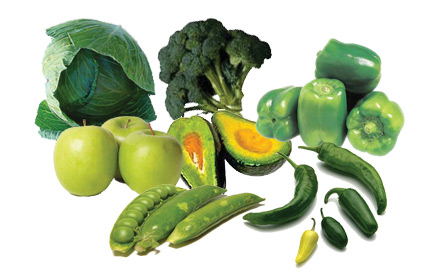
Green

the most important colour to include in our diets; green foods are rich in iron and vitamins C and E, and contain chemicals that protect us against bacteria, reducing the risks of food poisoning and certain cancers, including colon and lung cancer.
Best to eat: broccoli, advocados, apples, green peppers, peas, green leafy veg.


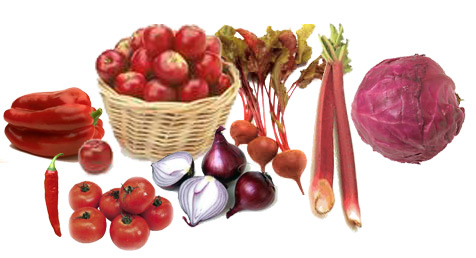
Red

Rich in betacarontene, a plant form of vitamin A which protects against heart disease and cancer; it's also an antioxidant, which helps protect against damaging substances produced by smoking, pollution and sunlight. Lycopene, another powerful antioxidant found mainly in tomatoes, helps to reduce the risk of certain cancers. This becomes more concentrated in cooked or canned tomatoes. So those tinned toms are good for you.
Best to eat: red peppers, tomatoes, strawberries, red cabbage, red onions, rhubarb.


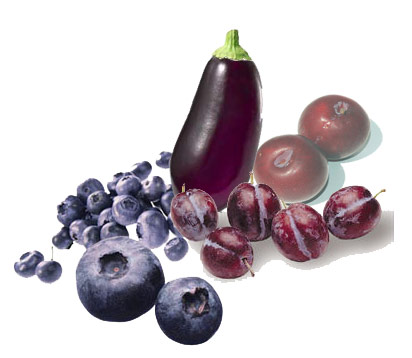
Purple

There's lots of vitamin C, bioflavonoids and ellagic acids in purple foods. They're immune-boosting cancer preventors and are also pacifing and relaxing, so can help if you're having trouble sleeping. Beetroot is especially rich in iron and magnesium and is known as the vitality plant.
Best to eat: beetroot, prunes, aubergines, blueberries, plums


Yellow and Orange

Like the red foods, yellow and orange are also high in betacarotene. Citrus fruits - lemons, limes, oramges, grapefruits are good source of vitamin C, and bananas are energy giving, rich in potassium and maganese.
Best to eat: sweet potatoes, sweetcorn, pumpkins, apricots, mangoes.