Friday, June 30, 2006

Cholesterol


1∙ Cholesterol is an important part of every tissue in the body - in other words, our bodies require it to function. But we don't necessarily have to eat cholesterol-laden foods to fulfil those needs because the body is able to manufacture cholesterol by itself.

2∙ Cholesterol only becomes a problem when it becomes attached to the walls of the arteries (blood vessels that carry oxygen-rich blood away from the heart). This narrows the arteries and so increases the risk of heart disease. The higher your cholesterol level is, the more likely this is to happen.

3∙ Cholesterol travels through the blood in parcels called lipoproteins Low-density lipoproteins (LDLs) are known as "bad cholesterol", as the LDLs stick to artery walls. But high-density lipoproteins (HDLs) are "good cholesterol", actually helping to remove LDLs from the blood. The type of food you eat plays a big part in determining the proportion of LDLs to HDLs in your blood.

4∙ Male sex hormones decrease HDL levels and so may increase the risk of heart disease in men. But in middle age, differences between the sexes diminish as levels in both rise.

5∙ There is a genetic condition, called hypercholesterolaemia, that raises cholesterol levels dangerously high. It is treatable with diet and drugs but the earlier it is diagnosed, the better. It affects one person in 500. If you think that it runs in your family, see a doctor about being tested for it.

6∙ High cholesterol levels are a major contributory factor to coronary heart disease, which kills more than 140,000people in the UK each year. It's our commonest cause of death - one in five of us will have a heart attack beforewe reach the age of 65.

7∙ A recent MORI poll showed that one in four Britons thinks all fats are bad for us. Despite this, fats account for more than 40 per cent of the calories in the average British diet. Newspaper reports about Frenchmen who live to theage of 100 on a diet of nothing goose fat and cigarettes and health-food fanatics who die of heart disease at 40 are misleading. Don't be fooled. Eat badly and you put yourself at greater risk of dying young.

8∙ Saturated fats or "saturates" are the real villains in the cholesterol story. Foods high in saturates include dairy products, red meats, lard, some margarines, cakes, biscuits, chocolates, puddings, pastries and crisps. Saturates raise LDL cholesterol levels. Don't let them make up more than 10 per cent of your daily intake.

9∙ Beware of labels that declare "contains hydrogenated vegetable oil/fat". They may not be telling the whole story - the product could contain saturated fats as well. They are lurking in many a "healthy" snack.

10∙ Not all types of fat are bad for you. Unsaturated fats can actually reduce cholesterol levels and may stop some of the damage caused by saturates. You'll find them in oily fish, sunflower, olive and corn oils and some margarines. But restrict them to 20 per cent of your calorie intake - fats, after all, are fattening.

11∙ The soluble fibre found in pulses and cereals can help lower your blood cholesterol. And fresh fruit and vegetables can reduce the deposition of cholesterol in the arteries. Make sure you eat plenty of them!

12∙ Shellfish, kidneys, liver and cod's roe are frequently said to be "high in cholesterol". They're high in dietary cholesterol, but eating them won't raise your blood cholesterol nearly as much as saturates will. Don't eat them every day, though.

13∙ Your cholesterol level maybe fine, but don't assume your heart is - raised cholesterol is only one risk factor. Being overweight, not exercising enough, smoking, drinking too much and eating the wrong foods all put a strain on it, too.

Tuesday, June 27, 2006

Exposing our skin to the sun can be good for our health


To many people the idea of naturism is unthinkable, but naturists claim that exposing our bodies to sunshine and fresh air has many health benefits. You can read more about it by clicking the link below. What are you waiting for... get naked....lol
http://www.msn.co.uk/health/naturism/

The only benefits I can think of are, your body produced vitamin D, you get an even all over tan and it is a great way of socializing.

A word of Caution.
Over exposure can damage your skin, leading to cancer, so cover up when the sun is too strong. Too much sun can also make your skin age quicker.

Monday, June 26, 2006

Tired / Allergy

Tired all the time?
Here's a test devised by Dr James K Walsh, Director of Sleep Medicine and Research at St Luke's Hospital in St Louis, US, to check if you're getting enough sleep. Mid-afternoon, take yourself off to a warm room, then sit and listen to a business presentation. If you find yourself dozing off, it's not a sign that you're bored, says Dr Walsh, but that you're short of sleep. Funny, we could have sworn that it was plain old boredom.


Allergy alert!
If you have a food allergy and your partner has eaten large quantities of the food that you are sensitive to, you might develop an allergic reaction after love-making. The allergen can be present in semen, according to recent research findings.

Sunday, June 25, 2006

Walking on Air

A 10 minute walk can make you feel better than the "quick fix" of sugar or a cigarette, says Dr Robert Thayer, a psychologist at California State University, Long Beach.Whether you're stressed,depressed or seething with anger, Thayer's seven-year study showed that walking gives you a lasting energy high and a mood boost that can't be achieved by eating chocolate or smoking. So next time you're on the verge of a nervous breakdown don't turn to sweets or nicotine - take a hike.

Friday, June 23, 2006

Did you know....


Did You Know…..
That the first known description of a condom was published in 1564 by the Italian anatomist Gabriel Fallopius. He claimed to have invented the condom, which was made of linen, to protect against syphilis. In his study he issued condoms to 1,100 men and observed that they all remained free from infection.

Thursday, June 22, 2006

Four Fabulous Brain Foods


Fish
The brain consists of about 60% fat. A High incidence of learning disabilities can be linked to a shortage of essential fatty acids such as those found in fish.


Rosemary
Add this herb to your cooking to improve memory, relieve mental anxiety and improve emotional health.


Broccoli
Contains iron, folic acid and vitamin C. Studies suggest that lack of iron can impair thinking and lead to depression. Vitamin C helps iron absorption.


Sunflower Seeds and oil
Contain vitamin E. U.S. research shows a hefty daily dose may delay the development of Alzheimer’s disease.


Friday, June 16, 2006

Super Foods that act like medicine

Super Foods that acts like medicine.
●Ginger ●Apples ●Apricots ●Bananas ●Cranberries ●Garlic ●Globe artichokes ●Oats ●Olive oil ●Yogurt

Some of the foods I have already mentioned, but this time it’s in more detail and how they work. Always try to buy fresh organics whenever possible, as they have a higher concentration of natural goodness and are much less likely to be contaminated with any chemicals.


Ginger
What it’s good for

●Chilblains
● Tiredness and exhaustion
● Colds, a temperature and flu. Drink it with some honey and lemon
● Dull, dry skin
● Helps poor blood circulation

How it works
This spice contain s powerful essential oils which warm the body and are antibacterial. For the problems listed here, make a ginger drink - by simmering five or six thin slices of the fresh root in water for about ten minutes or eat a piece of it, either fresh or cooked, every morning.


Apples
What are they good for

●Aching joints and rheumatism. Chop three apples into pieces without removing the skin. Boil for 15 minutes in half a pint of water and drink when cool.
●High cholesterol.
●Diarrhoea and stomach aches. Eat a couple of spoonfuls of baked apple every hour or so.

How they work
This fruit contains very high levels of pectin - a soluble carbohydrate which reduces cholesterol level in the blood by soaking it up and preventing it from being absorbed into the body. Pectin and tannin also help destroy uric acid, one of the body’s waste products. Apples are an antiseptic, too and help fight against infections in the intestines.


Apricots
What are they good for

●Very dry skin.
●Acne. Eat dried and fresh apricots - though fresh contain more vitamin C.
●They help to heal both cuts and wounds.
●Varicose veins.
●Depression.
●Anaemia and tiredness.
●Constipation. Eat 3- dried halves every morning.

How they work
Beta-carotene is found in this fruit. It fights against ageing and pollution and helps the body heal itself. The beta-carotene and iron content are even more concentrated in the dried variety, and both help the blood supply. Apricots also contain vitamin B and potassium, which strengthen the nervous system.


Bananas
What they are good for

●Strengthening bones, osteoporosis.
●PMT, depression, seasonal Affective Disorder (SAD)
●Irritability and stress.
●Diarrhoea. Eat half a mashed banana every hour.

How they work
These are particularly good for children and older people because they’re so easily digested. As well as other nutrients, they contain calcium, iron and potassium which strengthen the body and fight against stress. They are also a good source of vitamin B6 and a form of fibre which helps the body eliminate toxins from the system. Eat them ripe as they can be hard to diest when still green.


Cranberries
What it’s good for
●Cystitis and urine infections.
Drink one litre of juice through the day during an attack, then a glass every morning to minimise any recurrence of the problem. Can be used over long periods with no side effects.
●Kidney stones.
●Tonsillitis, laryngitis and sore throats.
●Acne and skin blemishes.
●Soothing sensitive and / or bleeding gums.

How they work
As well as being rich in vitamin C which helps to prevent colds - cranberries are anti-septic and kill infections as they pass through the body. They’re also rich source of potassium, iron and vitamin A. You can make your own juice or puree by simply simmering he fresh berries in water for about an hour, then adding sugar or honey to taste.


Garlic
What they are good for
• Coughs, colds and flu
• Asthma and hay fever
• High blood pressure
• Poor circulation
• Cellulite and fluid retention
• Treating cystitis and bladder infections

Now it works
Contains sulphur compounds and iodine, which disinfect the blood and thin it so that it flows more freely. It is also useful as an expectorant, as it loosens mucus in the body. Eaten regularly, garlic helps strengthen the body's natural defence, the immune system. Cooking destroys some of the minerals so eat one or two chopped or crushed raw cloves a day in salads or with vegetables. Chew parsley or coffee beans to get rid of the odour afterwards.


Globe artichokes
What they are good for

• Liver problems. Try to eat one or two every day
• Fluid retention and cellulite
• Chronic tiredness

How they work
This vegetable contains a chemical called cynarine which helps the liver to function by simulating bile secretion. Artichokes are also an effective diuretic‑ they increase the flow of urine‑so they are extremely helpful with problems of fluid retention. Artichokes are most easily digested if boiled and eaten with a little olive oil.


Oats
What they are good for

• High cholesterol
• Strengthening your bones and teeth
• Diabetes and high blood sugar levels
• Constipation
• Stress
• Depression

How they work
Containing fibre, B vitamins and minerals, oats also soak up the cholesterol in the blood so that it's passed through the body without being absorbed. High in calcium, potassium and magnesium which, like the B vitamins, are good for the nervous system. The silicon content helps to maintain healthy arterial walls. Swap your sugary cereal for a bowl of porridge every morning.


Olive oil
What ifs good for
•Treating constipation and haemorrhoids, especially during pregnancy
• Sensitive, dull and dry skin
• Aching joints and arthritis
• Digestion
• Stomach upsets, liver complaints and ulcers
• High blood pressure and high cholesterol
• Varicose and broken veins

How they work
This monounsaturated oil lubricates the whole body from the inside, helping the body pass food through the system more quickly and easily. It is also rich in vitamin E, which has powerful antioxidant properties, and vitamin A. Replace other oils with extra virgin olive oil when cooking.


Yogurt
What it's good for

• Candida and thrush‑for both of these you should eat at least four small cartons of natural live yogurt a day
• Acne and problem skin
• Stress and irritability

HOW it works
A bacterium called lactobacillus, which is present in yogurt helps balance the bacteria which naturally occur in the stomach. Lactobacillus also fights fungal infections such as thrush. Yogurt is a rich source of important minerals, particularly potassium, which has a role in feeding the nervous system.

Sunday, June 11, 2006

UK
Weather

Tuesday, June 06, 2006

Make your own....

Fever

if you're out of paracetamol and you or one of the family has a fever to bring down, try the following before resorting to calling the doctor.Sponge the patient with tepid water, briskly wiping each area of the body as sponged. This will cool the body while also increasing circulation. Make up an apple water drink in order to bring the fever down further. Slice three washed but unpeeled apples and simmer them in a little water until they're soft. Strain the water and add a washed piece of lemon, which will improve the flavour. Serve the drink cold. High temperatures in children are often caused by colds and infections. Before panicking, use your gut feeling to assess wheather your child is her normal self or not. A high temperature when it's combined with floppiness, lack of interest in food or drink, an unusual cry or sensitivity to light are reasons to call your doctor.

Cystitis

Although over the counter remedies exist for cystitis, these are a relatively recent invention, and it's easy to make your own at home with water and a teaspoonful of bicarbonate of soda to every point. You should aim to drink several pints every hour from the moment symptoms start.

Thursday, June 01, 2006

Eat Your Way To Health

Cold and flu -a strong immune system is the key to fighting off virual infections. A diet which contains plenty of fruit and veg, including lots of garlic and onions, is the best way to boost it and fight infection.

Constipation -increase your fibre intake by eating wholegrain cereals such as brown rice, wholemeal pasta, wholemeal bread and high-fibre breakfast cereals; drink atleast 8 glasses of fluid a day. Also eat prunes, they contain a substance which stimulates the muscles in the bowel and acts as a gentle laxative. (if you really can't face eating prunes, try drinking prne juice instead.)

Cystitis - cranberries and cranberry juice contain a natural antibiotic that prevents the bacteria from sticking to the walls of the bladder. To prevent cystitis, drink a glass of cranberry juice every day. To treat it, drink 350-500ml a day. Drin plenty of water, too but avoid tea, coffee and alcohol.

Gastric ulcers - a dessert-spoon of manuka honey afer each meal and another at bedtime can help heal stomach ulcers and kill the H.pylori bacteria that cause them.
Headaches and migrainecan be caused by low blood sugar, so eat little and often and try not to skip meals. Cheese, chocolate, citru fruits, caffeine and red wine can trigger attacks in migraine sufferers.

Mouth ulcers - often a sign that you're run down. Try eating natural yogurt, which is high in the acidophilus bacteria. Keep it in your mouth for couple of minutes before swallowing. The bacteria in the yogurt will help the ulcer heal.

Nausea - try sucking a piece of crystallised ginger or drinking ginger ale, or make ginger tea: grate a 1.3cm (half inch) piece of fresh root ginger into a mug of boiling water. Stand the tea for about 10 minutes before straining and drinking.

Psoriasis - eat more oil-rich fish. They're rich in Omega 3 fatty acids, which can have an anti-inflammatory effect. Aim to eat atleat 3 serving a week.

Thrush - Caused by an excess growth of the yeast candida albicans. Eating live yogurt can help by encouraging friendly bacteria to flourish. Avoid sugar, which encourages the growth of candida.

Drink up your greens!
Green tea is a rich source of flavonoids which help protect the body against the damaging effects of free radicals linked with heat disease, cancer and Alzheimer's disease.

Sunday, May 28, 2006

Get The Best...

To get the maximum nutritional content from all the fruit and veg you eat, you'd need to pick them from an organic plot and eat within a few hours. That's pretty unlikely, so what's next best thing?

Fresh foods... you'd think fresh was always the best option, but only harvested veg is eaten within a day or two. In reality, so much is imported and may have taken days to reach the shops where it then sits around for a couple of days. Produce starts to lose its nutritional content the moment it's picked so, by the time we eat it, it's pretty minimal, especially if it's been pre-washed and chopped. Up the ante by buying from a busy shop solve the distance problem by buying Localley.

As for canned and frozen... most frozen foods are picked and frozen within hours so nutrients are locked in. The best example is peas, which have the same amount of vitamin C as fresh just picked ones. Fruit and veg destined for canning are transported to canneries fairly quickly, where they're canned in water, syrup or juice, then cooked at high temperatures - no worries about the nutrients, tinned carrots can contain more vitamin C then either boiled fresh or frozen. So now there's no excuse for not eating your greens, your oranges, your yellows....

Friday, May 26, 2006

Know Your Colours

It's important to get more colour into your life - but make sure you're getting a good balance.

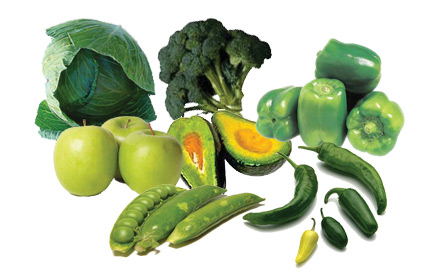
Green

the most important colour to include in our diets; green foods are rich in iron and vitamins C and E, and contain chemicals that protect us against bacteria, reducing the risks of food poisoning and certain cancers, including colon and lung cancer.
Best to eat: broccoli, advocados, apples, green peppers, peas, green leafy veg.


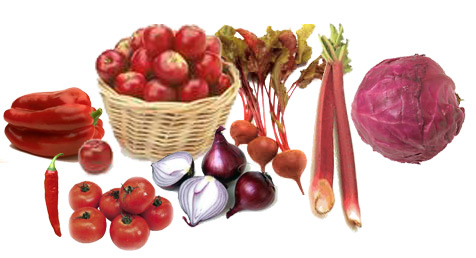
Red

Rich in betacarontene, a plant form of vitamin A which protects against heart disease and cancer; it's also an antioxidant, which helps protect against damaging substances produced by smoking, pollution and sunlight. Lycopene, another powerful antioxidant found mainly in tomatoes, helps to reduce the risk of certain cancers. This becomes more concentrated in cooked or canned tomatoes. So those tinned toms are good for you.
Best to eat: red peppers, tomatoes, strawberries, red cabbage, red onions, rhubarb.


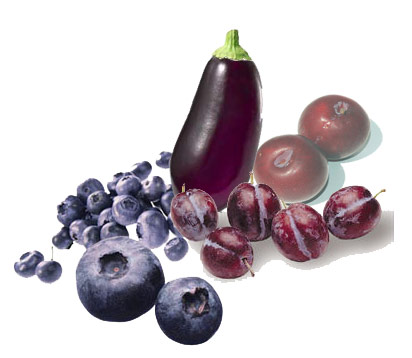
Purple

There's lots of vitamin C, bioflavonoids and ellagic acids in purple foods. They're immune-boosting cancer preventors and are also pacifing and relaxing, so can help if you're having trouble sleeping. Beetroot is especially rich in iron and magnesium and is known as the vitality plant.
Best to eat: beetroot, prunes, aubergines, blueberries, plums


Yellow and Orange

Like the red foods, yellow and orange are also high in betacarotene. Citrus fruits - lemons, limes, oramges, grapefruits are good source of vitamin C, and bananas are energy giving, rich in potassium and maganese.
Best to eat: sweet potatoes, sweetcorn, pumpkins, apricots, mangoes.